Why Leunig’s Work Invites Performance
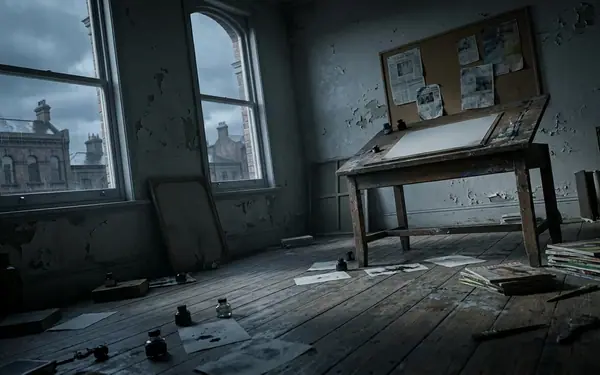
Look at a typical drawing by Michael Leunig. You immediately notice the captioned silence, the recurring figures, and the domestic rooms that frame abrupt emotional shifts. These visual elements function like miniature theatre sets.
The public creative record of this author and illustrator spans from mid-1960s newspaper cartoon publications through to book collections and online archives in the 2020s. Because his work relies heavily on prayer-like diction and animal motifs, performers naturally want to inhabit these spaces. The implication for adaptation is strict: translating the page to the stage must preserve the inherent ambiguity rather than flattening the work into mere sentiment or a political slogan.
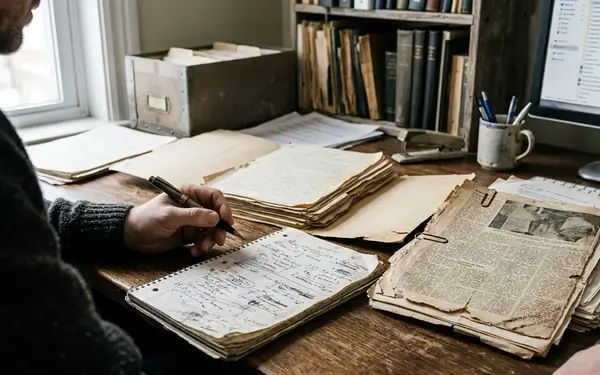
Operational evidence for these transitions relies on dated newspaper publications, book copyright pages, programme notes, and venue listings. We approach this as an independent archival guide. The focus remains careful, contextual, and anchored to documented or plausible performance pathways rather than promotional claims.
Criteria for Selection: What Counts as a Leunig Performance?
A performance qualifies for archival consideration when the words, images, named figures, or recognisable symbolic vocabulary remain central to the event. Direct adaptation indicators provide the necessary proof.
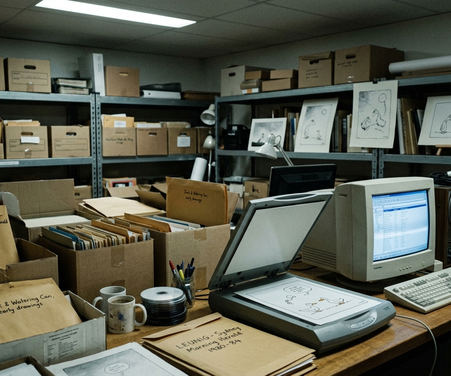
A poem is sung, a cartoon caption is spoken, or drawings are projected with explicit permission. Sometimes a script credits the original creator directly, or a public conversation centres entirely on his own interpretation of his work. Verification windows for reliable public traces generally include printed programmes and catalogues from the mid-1970s to the mid-2020s, alongside venue web listings from roughly 2000 onward.
Distinguishing direct adaptation from mere influence requires careful boundary-setting. A theatrical work that merely echoes a whimsical tone does not meet the threshold of a documented performance pathway. Researchers should cross-reference claims against publisher records, venue listings, or the official Leunig website where available.
Scope Note: Adaptation, Influence, and Archival Gaps
How do we map a performance history when so much of it vanishes the moment the curtain falls?
Archival fragility is highest for one-off classroom readings, chapel reflections, and local poetry nights. These events rarely leave a durable public catalogue record after the performance date. To build a reliable map, each specific production claim requires at least four recoverable fields: the date or date range, the presenting body or venue type, the source text used, and the specific form of performance.
Local performances occurring before routine web archiving—roughly 1965 to 1999—may survive only in private programmes or school newsletters. Therefore, an absence from searchable records is not definitive proof that an event never occurred.
Critical Insight: While this framework categorises formal adaptations, it inherently underrepresents informal, unrecorded community performances that form a significant part of the artist's cultural footprint.
The Curated Collection: Five Ways Leunig Leaves the Page
The following collection outlines distinct performance modes rather than a hierarchical ranking. Separating these modes clarifies the specific types of evidence required for each category.
Music demands composer and source data, while theatre requires staging details and adaptation credits. This structure provides practical distinctions for educators, researchers, and admirers tracing how these works circulate in live settings.
1. Musical Settings of Leunig’s Poems
Short lineation, plain diction, and repeated images of ducks, moons, and cups lend themselves naturally to musical interpretation. Short poems and prayers circulated widely through book collections published by Penguin Books Australia from the 1970s onward.
These portable texts gave musicians material that could be set for solo voice, small ensembles, or choirs. Concrete adaptation checks involve identifying the poem title, the composer, the performance date, and the relevant rights statement. A sung poem often requires musical restraint to maintain the delicate balance between irony, lament, and prayerfulness.
2. Theatrical Readings and Staged Recitations
Spoken delivery choices fundamentally alter the audience’s encounter with the text. Performers must navigate pace, silence, vocal innocence, and ironic pressure to manage the transitions between humour and sadness.
The minimum record for a staged reading includes the performer's name, the text source, the venue, the date, and whether images were displayed alongside the spoken word. Likely settings span schools, libraries, bookshops, and literary festivals across the 1980s to the 2020s. The strongest public records for these recitations usually appear from the 2000s onward.
3. Theatre Adaptations Built from Character, Mood, and Sequence
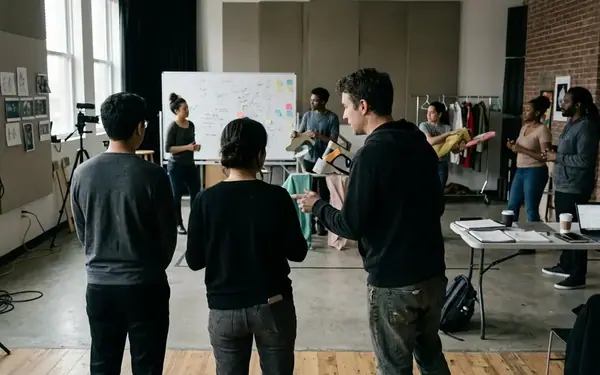
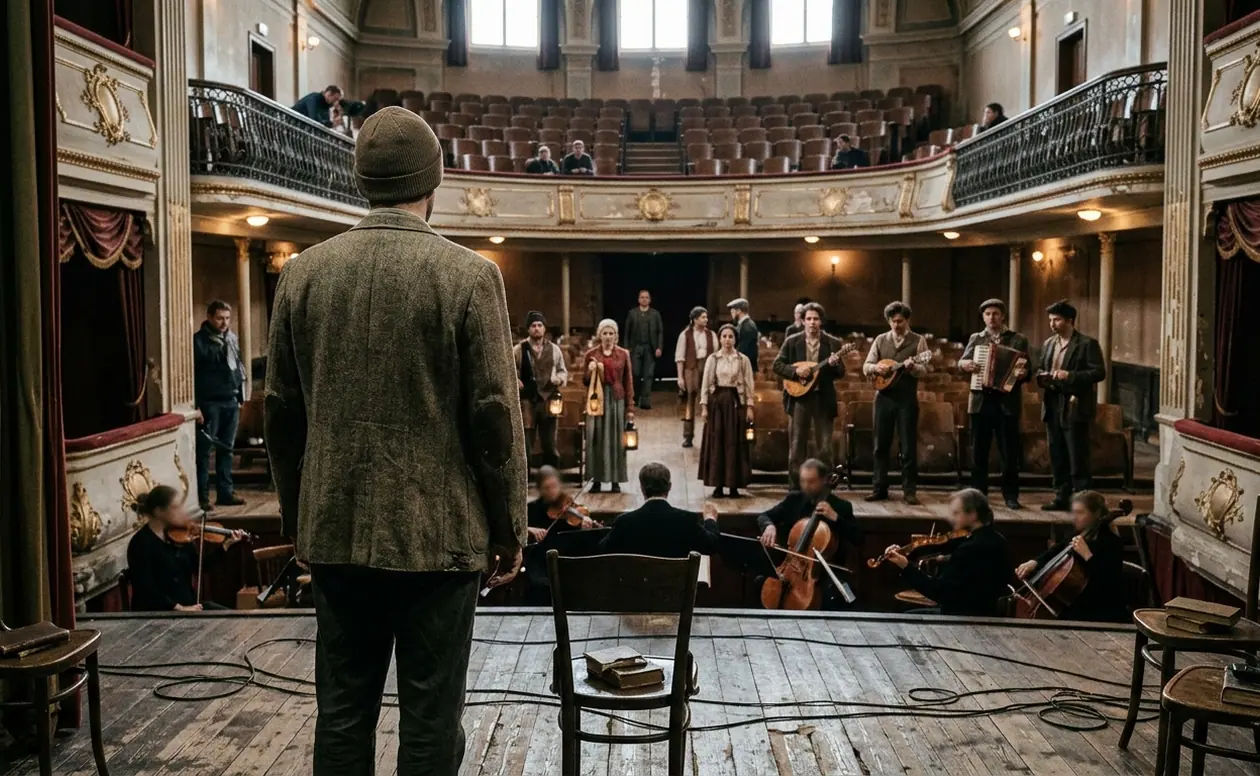
Theatre adaptations of this material usually build sequence from fragments rather than relying on a conventional plot. Stage-makers organise the lonely walker, domestic interiors, letters, and public absurdity into an episodic structure.
Production evidence includes script credits, character lists, design notes on reproduced drawings, and season dates. A theatre adaptation can be documented without a published script if a dated programme and an independent review establish the source material.
Risk Factor: A stage version that treats the cartoons as only cute or comforting flattens the moral unease, satire, loneliness, and spiritual doubt that make the work performable in the first place.
4. Festival Conversations as Performance
Live conversations function as performance-adjacent events. The audience watches the artist interpret his own symbols, controversies, and spiritual vocabulary in real time.
Useful evidence fields for these events include the event date, the interviewer, the topic title, and whether specific books like State of Bewilderment were discussed directly. Public conversations are most recoverable in searchable listings from approximately 2000 onward. Earlier appearances often require digging through newspaper previews or radio logs.
5. Educational and Community Use
Educational and community applications represent a vital circulation history. Implementation checks for educators involve selecting a short piece, identifying its original source, confirming reproduction permissions, and explaining the publication context.
Records consist of lesson plans, event flyers, chapel orders of service, and local arts calendars.
Recommendation: Avoid presenting an isolated quotation as the whole meaning of the work. A classroom reading that uses a single inspirational line without source, date, or context turns archival material into anonymous uplift and weakens accuracy.
How to Evaluate
Consider a researcher compiling an event file for a local arts festival tribute. They must prioritise verifiable source handling and tonal judgement.
The evaluation checklist fields include source clarity, permission context, the exact text used, the performer's role, the treatment of humour, and the handling of pauses. For a robust research note, keep a citation bundle with the programme, the source text reference, any available recording link, and the rights note. My archival review indicates that maintaining this strict evidentiary standard prevents the misattribution of generic whimsical performances to specific, documented adaptations.
Closing Reflection
Performance ultimately reveals qualities already present in the original cartoons and poems. Voice, timing, vulnerability, ritual, satire, and public argument exist on the page long before they reach the stage.
Reception evidence groups naturally by form, whether as a sung poem, a staged reading, or a recorded interpretation. A useful archival record preserves the date, location, text source, performer, and adaptation method. Documenting these elements ensures the transition from private reading to public performance remains a traceable cultural record.