A Quiet Encounter with a Prayer-Like Page
Picture a reader sitting at a library table. They finish a captioned cartoon by Michael Leunig: author and illustrator, turn the page, and encounter a block of short, lineated sentences. The visual rhythm shifts immediately. The text invites slower breathing and carries the cadence of communal speech. This immediate ambiguity defines the encounter. The page resembles a formal liturgy while simultaneously holding ordinary domestic details, unease, and comedy.
Give the text a minute or so of silent scanning, followed by a couple of minutes reading aloud without immediate commentary. Record four initial observations: the apparent speaker, the apparent addressee, any repeated wording, and moments of tonal interruption. Learning to read this mode attentively matters more than deciding whether an individual piece qualifies as formally religious.
Why the Writing Can Sound Like Prayer
What exactly gives these secular pages the audible weight of a liturgy? The answer lies in syntax rather than theology. Direct address, repeated sentence openings, parallel clauses, and sudden shifts into collective pronouns like "we" or "us" create a recognizable cadence.
Spend a few minutes marking these features with four distinct symbols. Only after logging these visible mechanics should broader interpretations begin. This structural approach distinguishes prayer-like writing as a literary description rather than a claim about personal beliefs. Where the 1990 edition record from Penguin Books Australia Ltd: publisher establishes the baseline, physical inspection confirms the details of the specific reprint in hand.
Recognise the Blessing, Lament and Invocation
Classifying these works requires tracking emotional movement rather than vocabulary alone. A blessing typically moves toward care, protection, or permission, often exposing the speaker to shelter or qualified hope. Lament names suffering, estrangement, or public disorder, seeking witness rather than immediate resolution. Invocation calls upon a presence—whether divine, natural, or personified.
Map the piece across three positions: the opening, the tonal turn, and the ending. A dedicated five-minute pass usually reveals these shifts. Allow for more than one form label when the textual movement changes. A piece might begin as a solemn invocation and pivot sharply into a comic blessing.
Critical Insight: Extracting a gentle petition as an inspirational quotation while omitting the adjacent grief, bathos, or social unease produces a smoother and more comforting work than the page actually contains.
Read Secular Spirituality Without Flattening It
A group reading a piece from State of Bewilderment might immediately notice the rhythmic address and imagery. In a class or reading group setting, reserve several minutes strictly for these text-based observations before opening any discussion of religious, spiritual, or secular frameworks. Require each broad claim to tie back to at least one precise feature: a repeated word, a pronoun shift, a concrete image, a punctuation pattern, or a tonal turn.
Secular spirituality serves as a highly effective interpretive lens for attention, wonder, vulnerability, and ethical reflection outside compulsory doctrinal assent. Secular and religious readings can coexist comfortably on the same page. Neither framework should automatically override the other. The recurring tension between sincerity and irony often shows how humour protects tenderness rather than cancelling it out.
Use a Seven-Pass Method for Close Reading
Interpretation accumulates from evidence gathered through deliberately separate passes. A short piece requires roughly twenty to thirty minutes of focused attention. Break this down systematically: spend a few minutes reading aloud, a few more identifying the speaker and addressee, and another short stretch on cadence. Dedicate several minutes to mapping emotional movement, followed by brief passes for imagery and humour. Finally, spend a few more minutes pairing interpretations.
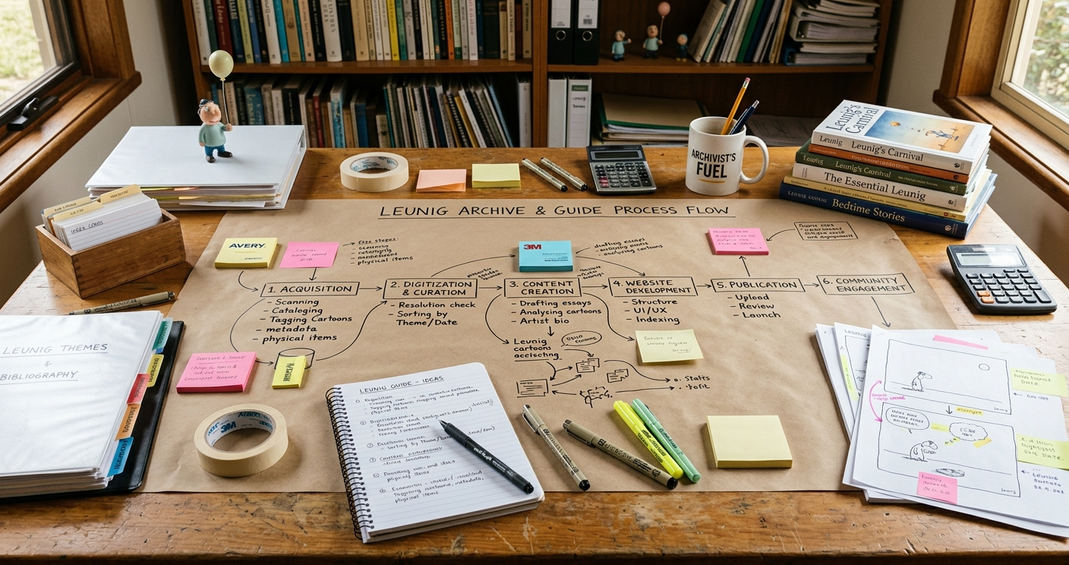
Read the text aloud twice. During the second reading, mark slashes for breath pauses, double slashes for major pauses, and draw boxes around repeated sentence openings. When quoting in notes or teaching material, retain only the words needed to demonstrate the feature. Always attach the collection title, publication year, and page number from the edition consulted.
Compare Two Readings Without Forcing a Verdict
How do competing interpretations hold up against the same text? "A Common Prayer," collected in the 1990 edition of The Prayer Tree, serves as a reliable worked example. Allocate about ten minutes to this comparison. Spend the first few minutes gathering shared formal evidence. Next, dedicate a few more minutes drafting a reading built around prayer conventions, attending to direct divine address, petition, surrender, and the possibility of transcendence.
Spend the remaining time drafting a secular reading focused on psychological vulnerability, ecological attention, or communal longing. Keep the comparison symmetrical by giving each interpretation three evidence fields: wording, formal pattern, and emotional consequence. Use only brief phrases such as "live slowly" and "Amen" rather than reproducing the complete short work. While collection dates and core wording remain highly stable across Leunig's bibliography, pagination and surrounding material frequently change across editions; therefore, any worked example must be checked against the physical or digitised edition actually cited.
Risk Factor: The same lines can sound liturgical when read aloud collectively, intimate inside a poetry collection, or satirical when placed beside a cartoon. Interpretation must retain the edition, page arrangement, and mode of reading.
Begin with One Piece and Read It Aloud
Form, tone, and emotional movement must be observed before any piece receives a label like religious, secular, sincere, or ironic. Prayer-like language creates a shared space for grief, gratitude, absurdity, and hope while remaining entirely open to readers holding different commitments. The smallest workable unit for this analysis is a single verified piece.
Choose one piece that fits on a single page. Read it aloud twice within a few minutes, complete all seven passes of the checklist, and write a short interpretation of roughly 150 words containing at least three page-level observations before consulting any external commentary.