Evaluating Physical Differences in the Secondhand Shop
A reader stands in a secondhand bookshop holding two copies of State of Bewilderment. Both represent the same title and edition. During a three to five-minute comparison, the physical differences become obvious. One copy retains its original dust jacket and textured endpapers. This jacketed copy carries imagery and flap text seamlessly into the preliminary leaves. The second copy looks tidier on the shelf. It reaches the main pages abruptly because those transitional components are gone.
The physical book mediates the encounter with the cartoons and poems—a reality that becomes obvious when handling two copies side by side. Checking relative weight, board feel, opening resistance, and cover-to-endpaper colour changes reveals how the object itself shapes the reading experience. Open each copy through four to six consecutive spreads rather than sampling a single illustration. Differences in blank leaves, paper tone, and recto-verso placement become clearer across a sequence.
This is an edition-specific material reading. Some Leunig books were issued as paperbacks or jacketless hardbacks. A later redesign may legitimately omit features found in an earlier issue. The goal is understanding the specific volume in hand.
Tracing the Entry Sequence Before the Main Text
The design of a volume by author and illustrator Michael Leunig begins well before the first drawing appears. The inspection follows the book in reading order. Look at the front cover, spine, jacket front, flap copy, pastedown, free endpaper, half-title where present, title page, and opening blanks. Allow two to four minutes to trace this entry sequence without jumping directly to a numbered page.
This progression shows whether an image, a specific colour, a phrase, or an expanse of unprinted paper prepares the tone before the principal work appears. Record whether jacket artwork wraps across the spine or rear panel. Note whether flap text supplies a description, publication context, or author statement absent from the text block. The dust jacket functions as part of the book’s visual vocabulary rather than disposable protection. Removing a jacket can erase tonal cues and visual continuities even when every numbered page remains present.
Physical completeness includes issued preliminaries and associated components. Readability means only that the principal cartoons or poems remain accessible. A copy can satisfy the second test while failing the first. Physical inspection can clarify the publication context.
Observation Strategy: Preserving the Entry Sequence
Always trace the book from the outside in. The transition from the exterior cover to the first printed poem relies on the specific sequence of blank and printed preliminary leaves designed for that edition.
Assessing How Paper and Layout Frame the Artwork
How do the physical materials of the page alter the impact of a cartoon? Paper and layout are assessed from several interior openings. Evaluating these elements requires stepping away from warm reading lamps. Under neutral white light, inspect six to ten spreads over five to eight minutes. Include a text-heavy page, a mostly blank opening, a dark cartoon, and a section transition. This tests opacity, contrast, and spacing under different conditions.
The reader compares black-line sharpness, paper warmth, show-through from the reverse, margin depth, and the effort required to turn a leaf. Check whether dark marks from the verso intrude into pale drawings. Notice whether stiff paper causes pages to spring shut. Observe whether tight inner margins pull captions or image edges toward the gutter.
Typography acts as a framing device. A small poem surrounded by generous blank space produces a different pause from the same text crowded by headings or adjacent artwork. Record the sequence at the spread level. Look at the left-hand page, right-hand page, intervening blank, section opener, and the page turn immediately before and after a marked change of mood. Adjacent cartoons and blank pages create echoes, interruptions, or shifts in atmosphere.
Establishing Edition Identity Prior to Grading Condition
A reader initially treated a paperback lacking endpapers as deficient. That conclusion was rejected upon realizing the format never included them. Identification precedes condition grading. Set aside ten to fifteen minutes for a two-copy comparison. Match the Penguin Books Australia Ltd publisher imprint, year, edition statement, ISBN, hardback or paperback format, page count, and dimensions before interpreting a missing component.
Jacket evidence is checked against flap details, board fading, and wear correspondence. Inspect front and rear jacket flaps, both pastedowns, both free endpapers, the half-title, the title leaf, the copyright page, and the final two to four leaves. Look for clipped flap corners, adhesive shadows, stubs from removed leaves, exposed sewing, or a sudden break in pagination.
Warning signs include detached gatherings, removed library pockets, or labels that took paper with them. A jacket whose title or ISBN belongs to another issue signals a mismatched copy, often assembled by a previous owner attempting to upgrade a worn volume. Repairs across the inner hinge that prevent the book from opening comfortably beyond roughly 90 to 120 degrees compromise the reading experience. Compare like with like wherever possible. These selection criteria support use and documentation but do not establish authenticity, market value or conservation treatment.
Assessment Warning: Identifying Structural Red Flags
Pay close attention to the inner hinges and the gutter. Stiff repairs or exposed sewing threads often indicate a compromised binding that will restrict the book's ability to open flat.
Aligning the Physical Volume with Its Intended Environment
The intended use sets the order of priorities when selecting a volume. A home reader weighs complete design against comfortable handling and tolerable wear. For personal use, record edition identity, jacket status, endpapers, binding movement, paper condition, image clarity, pagination, and any feature that makes handling feel risky.
An educator tests whether the binding, reproduction, and page sequence will survive repeated consultation during a four to eight-week teaching unit. For classroom use, open eight to twelve representative spreads. Check for loose gatherings, gutter-obscured captions, weak contrast, and missing sequence pages. A removable protective jacket cover can preserve flap text while taking routine abrasion.
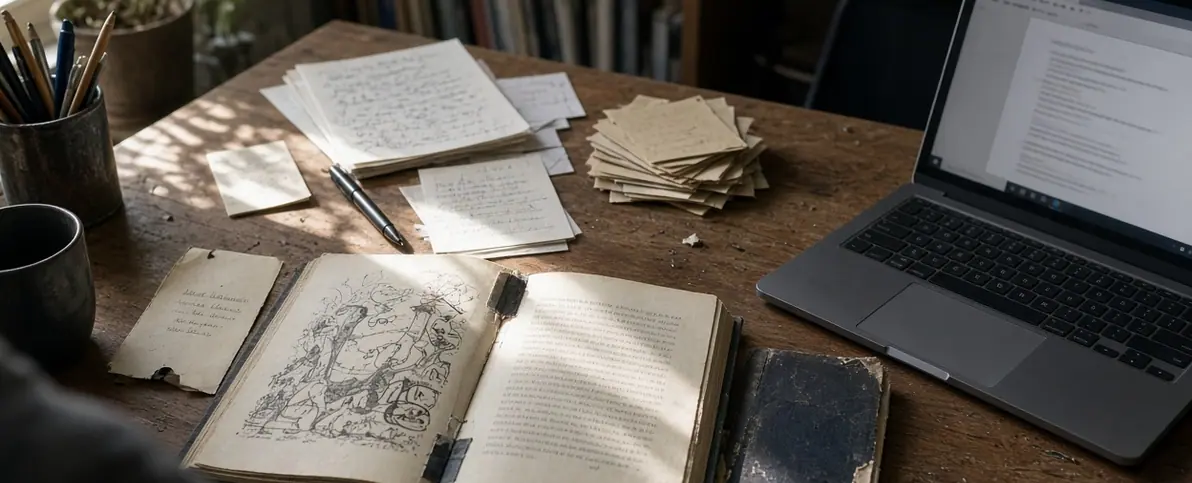
A library or research collection records each component separately so that later users can distinguish original features, annotations, and losses. Institutional catalogs demand precision. For an archival record, state jacket present or absent, unclipped or price-clipped flaps, inscriptions, owner marks, library removals, hinge repairs, replaced endpapers, and missing leaves rather than compressing these observations into one broad condition adjective. During the ten to fifteen-minute comparative inspections outlined above, documenting the jacket–endpaper–title-leaf–first-cartoon continuity breakdown ensures accurate archival records.
Collection Takeaway: Documenting Archival Details
Record specific physical attributes rather than relying on subjective condition grades. Noting the exact presence or absence of preliminary leaves provides a reliable baseline for future reference.
Prioritising Structural Integrity Over Cosmetic Polish
Why accept a worn cover if a pristine alternative sits on the same shelf? The final choice returns to the opening comparison and follows the surviving design relationships. Complete a final three to five-minute pass from the closed front cover to the first principal work. Inspect the final two to four leaves and rear endpaper for continuity, repairs, or loss.
The preferred copy is the one in which the cover or jacket, opening papers, title sequence, paper, and page order still operate together as a unified system. Minor rubbing, a small closed jacket tear, or an ownership inscription may leave that structure intact. Cleaning, rebinding, or the removal of original components can permanently turn the same Leunig title into a different designed object.
Honest wear coexists easily with design integrity. A polished-looking copy may have lost meaningful components. When price and handling suitability are comparable, favour the correctly matched copy retaining its issued jacket and original endpapers, even when the jacket has light edge wear or the boards show modest handling.